Featured
Table of Contents
The therapy suggested will be based on the type of clinical depression you have. If you have less severe (mild) depression, the complying with treatments might be recommended. If a GP detects you with moderate clinical depression, they might recommend waiting a brief time to see if it obtains much better on its own. In this case, you'll be seen once more by the general practitioner after 2 to 4 weeks to monitor your development.
Your GP might suggest attempting directed self-help to see if it can assist with your depression. You'll generally have 6 to 8 sessions where you overcome a workbook or online training course, with assistance from a therapist. The sessions may be in person, by phone or online. Guided self-help for depression is usually based upon the concepts of cognitive behavioural therapy (CBT).
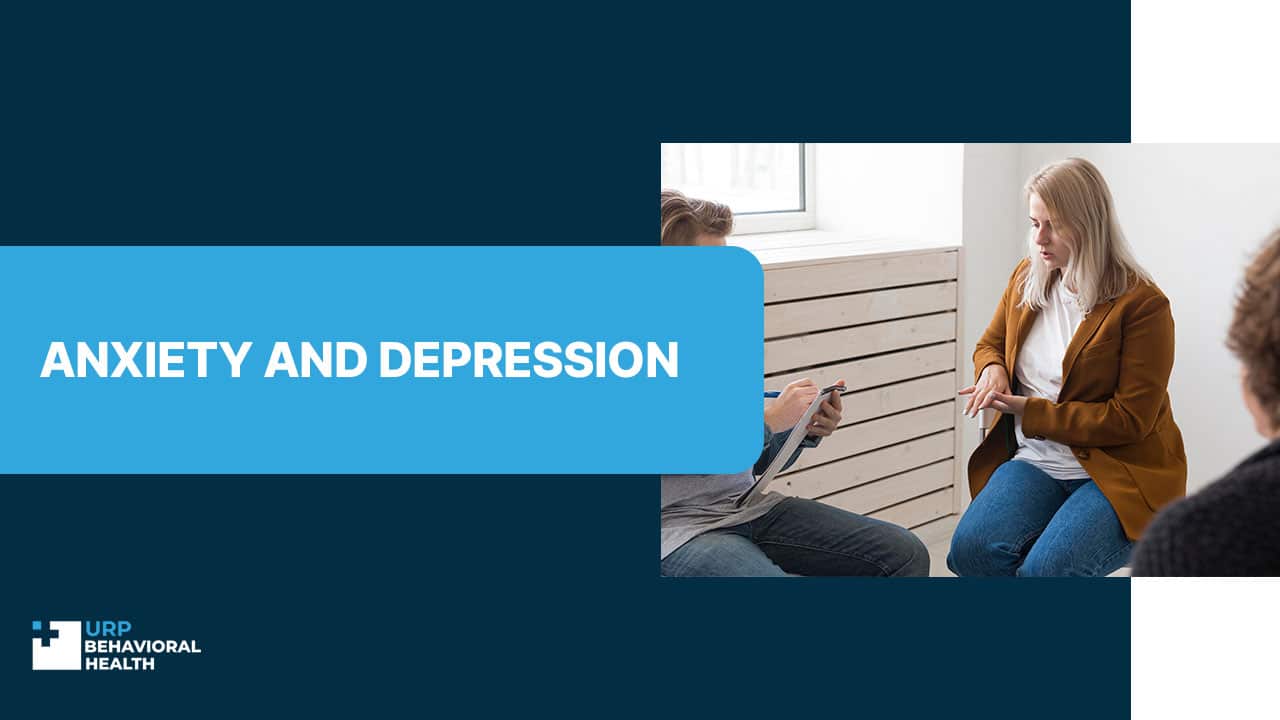
There's evidence that workout can aid anxiety, and it is just one of the primary treatments for moderate anxiety. You might be described a group exercise course that's developed to aid with clinical depression. Figure out more regarding walking for wellness and exercise for depression. If you have light clinical depression that's not improving, you may discover a chatting therapy helpful.
Somatic Work for Couples Counseling
A General practitioner can refer you for speaking treatments, or you can refer on your own directly to an NHS speaking therapies solution without a recommendation from a GENERAL PRACTITIONER.
They have to be prescribed by a doctor, usually for clinical depression that's modest or extreme. A general practitioner may suggest that you take a program of antidepressants plus talking therapy, particularly if your clinical depression is quite severe. A mix of an antidepressant and CBT typically works much better than having just among these treatments.
These groups usually supply intensive expert speaking therapies as well as suggested medication. Cognitive behavioural treatment (CBT) aims to aid you recognize your ideas and behavior, and exactly how they affect you. CBT recognises that events in your past might have shaped you, yet it concentrates mainly on how you can transform the way you think, really feel and act in today.
CBT is offered on the NHS for people with depression or any type of various other mental health issue it's been revealed to help. If CBT is advised, you'll usually have a session with a specialist once a week or as soon as every 2 weeks. This might be a team session or an individual session.
Understanding Inner Peace Through Professional Support
They can refer you for neighborhood talking treatments for clinical depression. Waiting times for speaking treatments can be numerous weeks or months.
Computer animated video clip clarifying self-referral to chatting therapies solutions for stress and anxiety, anxiety or clinical depression. There are several different kinds available. The majority of people with modest or severe clinical depression benefit from antidepressants, however not everybody does.
Paying for and Access to Quality Mental Health Care for Couples Counseling
The various sorts of antidepressant work around as well as each various other. However adverse effects range different treatments and individuals. When you begin taking antidepressants, you ought to see a general practitioner or specialist nurse every week or 2 for at the very least 4 weeks to examine exactly how well they're functioning. Contact a GP directly away if you have any kind of feelings of sadness or self-destructive ideas that start or become worse after beginning antidepressants.
If they're functioning, you'll require to proceed taking them at the exact same dosage for at least 4 to 6 months after your symptoms have relieved. If you have actually had episodes of anxiety in the past, you might need to proceed to take antidepressants long-term. You'll be evaluated a minimum of two times a year to see whether you require to keep taking them.
However these negative effects typically improve with time. SSRIs may not be suggested for individuals with particular health conditions, or for youngsters and youngsters under 18 years old. Study reveals that the threat of self-harm and suicidal behaviour may raise if they're taken by under-18s. Fluoxetine is the only SSRI that can be prescribed for under-18s and, even after that, just when a professional has actually provided the permission.
How Trauma Shapes Depression
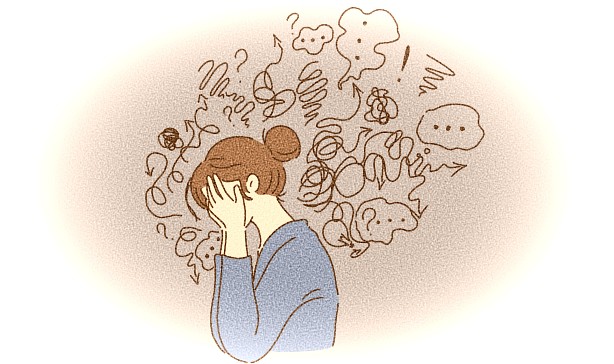
Antidepressants such as venlafaxine (Efexor) and duloxetine (Cymbalta or Yentreve) operate in a slightly various means from SSRIs and TCAs. They're referred to as serotonin-noradrenaline reuptake preventions (SNRIs). Like TCAs, they transform the degrees of serotonin and noradrenaline in your brain. Researches have actually shown that an SNRI can be extra reliable than an SSRI, but they can cause an increase in high blood pressure.
It's in some cases used together with other sorts of antidepressant. It can make you really feel drowsy. This can be helpful if you have anxiety and problems reaching sleep. Vortioxetine (Brintellix or Lundbeck) is suggested by the National Institute for Health and Treatment Excellence (NICE) for treating grownups that are having an initial or reoccurring major depressive episode, if the current episode has actually not reacted to 2 various other antidepressants.
Antidepressants are not habit forming in the very same way that prohibited medications and cigarettes are, however you might have some withdrawal signs and symptoms when you quit taking them. You'll be recommended to lower your dosage slowly to assist stay clear of withdrawal signs. These can include: an upset stomachflu-like symptomsanxietydizzinessvivid fantasizes at nightsensations in the body that feel like electric shocksIn most instances, these are fairly moderate and last no longer than 1 or 2 weeks, however sometimes they can be fairly severe.

Latest Posts
Sustainable Growth of Psychoanalytic Approaches for Personal Development
When Grief Therapy Heals Past Wounds With Lasting Results
Treating Complex Trauma